
WHY SAFETY
MATTERS
Because every worker deserves to go home — to their family, their friends, their life.
Every safety rule, every OSHA regulation, every policy and procedure exists for one reason: someone was hurt or killed before it was written. Safety is not paperwork. Safety is not compliance. Safety is a commitment to human life.
Everyone Goes
Home. Every Day.
That's not a slogan. That's the entire point.
When a worker leaves for the jobsite in the morning, their family expects them back. Their kids expect to see them at dinner. Their spouse expects them to walk through the door. That expectation is a promise — and safety is how we keep it.
No deadline is worth a life. No production target justifies sending someone home in an ambulance. No cost savings is worth leaving a child without a parent, a spouse without a partner, a parent without their child.
A father who goes home is there for his children's first steps, first words, first day of school.
A mother who goes home is there for every hug, every bedtime story, every moment that matters.
A worker who goes home is a person whose life has value beyond their labor.
"The goal of every shift is simple: everyone goes home."
— STKY Safety Consulting
Every Rule Was Written
In Blood
Every OSHA standard, every safety policy, every procedure in your safety manual — none of them were created in a boardroom. They were written in response to real tragedies. Real workers. Real families destroyed.
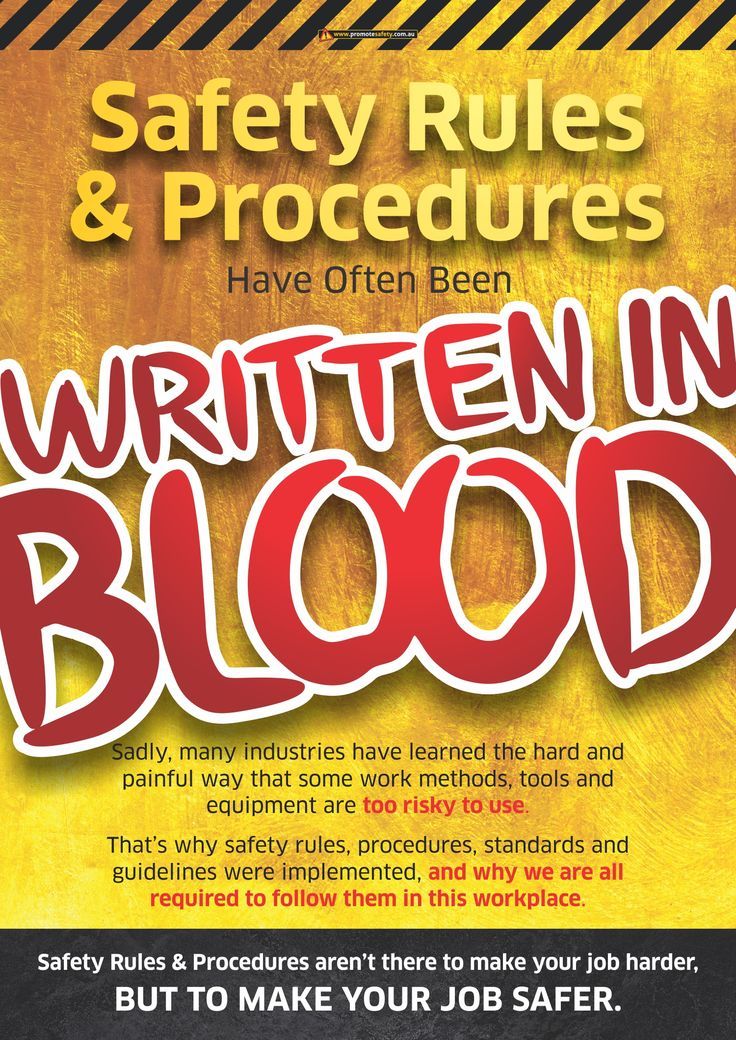
Before every safety rule existed, a worker was injured or killed. The rule was the response. The rule is the memorial. When you follow a safety rule, you honor the person whose death or injury created it.
Safety rules aren't there to make your job harder — they're there to make sure you go home.
Fall Protection Requirements
Click to read the story behind this rule
Lockout / Tagout (LOTO)
Click to read the story behind this rule
Scaffold Safety Standards
Click to read the story behind this rule
Heat Illness Prevention
Click to read the story behind this rule
Hazard Communication (HazCom)
Click to read the story behind this rule
Head Protection Requirements
Click to read the story behind this rule
These are just a few examples. Every single OSHA standard has a story like these behind it. Every rule represents a human cost that was paid so future workers wouldn't have to.
6 Reasons Safety Is
Non-Negotiable
Beyond compliance. Beyond fines. Beyond liability. Here's why safety is the most important thing on any jobsite.
Everyone Has Someone Waiting at Home
Every worker on your jobsite has a family — a spouse, children, parents, friends — who expect them to walk through the door at the end of the day. That expectation is a promise. Safety is how you keep it.
Injuries Change Lives Forever
A serious workplace injury doesn't just hurt for a day. It can mean chronic pain, disability, lost income, and a fundamentally different life. The worker who gets hurt today may never fully recover.
Your Crew Depends on Each Other
When one worker is injured, the entire team is affected — emotionally, operationally, and financially. A safe crew is a strong crew. Protecting each other is part of the job.
Children Need Their Parents
Behind every worker is a child who needs their mom or dad to come home. No project deadline, no production pressure, no cost savings is worth leaving a child without a parent.
Trauma Doesn't Stay on the Jobsite
Witnessing a serious injury or fatality causes lasting psychological trauma for coworkers. The mental health impact of workplace incidents ripples through entire teams and families.
You Have the Power to Prevent It
Most workplace injuries and fatalities are preventable. That's the hardest truth in safety. Every incident that happens was likely preventable — which means every incident that doesn't happen is a life saved.
"Behind every statistic is a name. Behind every name is a family. Behind every family is a void that can never be filled."
The Cost of an Incident
Goes Far Beyond Dollars
Companies talk about the financial cost of workplace incidents — OSHA fines, workers' comp claims, lost productivity. But the real cost is something no spreadsheet can capture.
The Human Cost
Pain. Disability. Trauma. A life permanently altered. A family forever changed. These costs are carried by real people — not insurance companies.
The Emotional Cost
Coworkers who witnessed the incident carry that image for years. Supervisors who feel responsible. Families who grieve. Trauma doesn't clock out.
The Community Cost
When a worker is killed or seriously injured, it affects their entire community — their church, their neighborhood, their children's school. The ripple effect is immeasurable.
The Irreversible Cost
You can pay a fine. You can fix a hazard. You cannot undo a death. You cannot give back the years a disabled worker lost. Some costs cannot be paid.
Safety Is Not a
Priority.
It's a Value.
Priorities change. When production is behind, safety as a "priority" gets pushed aside. But values don't change. When safety is a core value — not a priority — it never gets compromised.
At STKY Safety Consulting, we help companies build safety cultures where every worker knows their life matters — not because OSHA says so, but because their employer genuinely believes it.
What You Can Do
Starting Today
Safety culture doesn't happen overnight. But it starts with a single decision — to make it a priority. Here's where to begin.
Talk About It
Start every shift with a safety conversation. Not a lecture — a conversation. Ask your crew what hazards they see. Listen.
Get Free Toolbox TalksInspect Your Jobsite
Walk your jobsite with fresh eyes. Look for hazards before OSHA does. Fix what you find. Document everything.
Request a Safety AuditTrain Your Crew
Make sure every worker understands the hazards of their job — in a language they fully understand. Knowledge saves lives.
View Training ProgramsBuild a Safety Culture
Safety culture is built one conversation, one inspection, one training at a time. Start today. Your crew is counting on you.
Contact STKY SafetySafety Starts With a Conversation
Have a safety story to share? Want to talk about building a stronger safety culture at your company? We're here to listen.